This research proposal explores how caffeine, when taken alongside over-the-counter medications, may improve brain functions.
Can Caffeine Improve Cognitive Response in Adults Taking Over-the-Counter Medications?
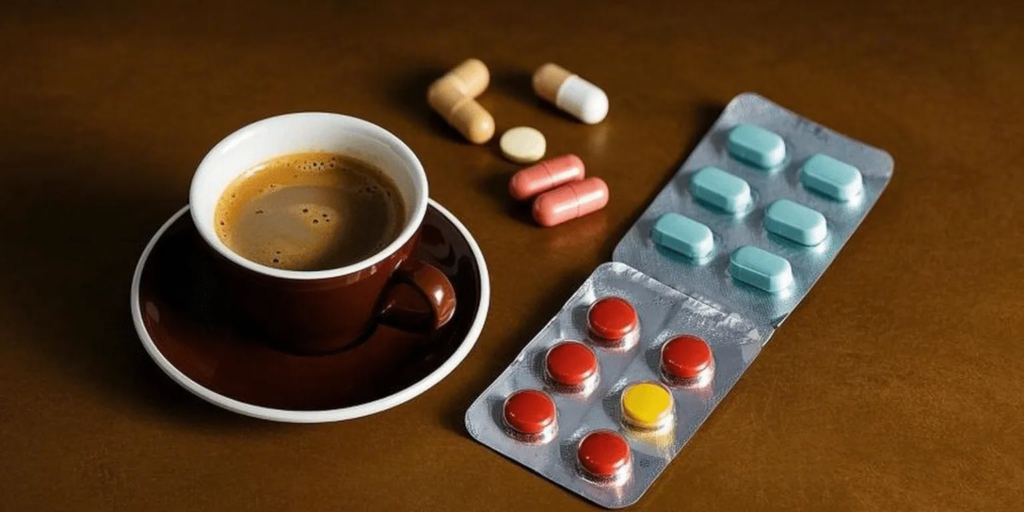
(Does Coffee Raise Blood Pressure?, 2025)
Introduction
Dependency on over-the-counter (OTC) medications has significantly influenced how people manage pain in their daily lives. Many adults, on the go, rely on caffeine and medications such as acetaminophen for quick relief, despite common side effects like drowsiness and slowed thinking. While these medications are usually safe at recommended doses, excessive use can damage the liver and impair brain functions. A study on acetaminophen toxicity shows reduced oxidative stress and increased cellular function (Gonçalves et al., 2020). However, there is limited understanding on how caffeine influences cognitive performance when taken alongside medications. Specifically, how it affects certain regions of the brain, such as the frontal cortex, which is important for decision-making and behavioral output. This research proposes to investigate whether caffeine can enhance the brain’s response rate when taken with pain relief medications in working adults. It is hypothesized that caffeine, taken alongside medication, will improve the brain’s rate of response and decision-making ability in the frontal cortex.
Background
Acetaminophen (APAP) is a common over-the-counter medication (known brands in drugstores include Tylenol, NyQuil/DayQuil, Robitussin, etc.) that is normally processed safely by the liver and is broken down into non-toxic substances. However, when these medications are taken over the recommended dosage, the liver produces a toxic chemical substance called NAPQI that is released into the bloodstream. This reduces protective antioxidants (often taken from food sources, and it strengthens the immune system and protects cells from oxidative damage) and leads to the buildup of harmful reactive oxygen species (ROS). This results in oxidative stress (slows brain signalling and impacts cognition), liver cell damage, and acute liver failure (Hwang et al., 2022). Additionally, based on a study conducted on mice, liver damage is linked to oxidative stress in brain cells (Gonçalves et al., 2020).
Caffeine on the other hand, is consumed by over 80% of adults (Kapellou et al, 2023), and can be found in coffee, tea, energy drinks, sodas, and dark chocolate. In the brain, caffeine works by blocking adenosine receptors (responsible for making the body feel tired) (Kapellou et al, 2023). Additionally, caffeine has been shown to improve attention, reaction time, and decision-making. Even though results can vary based on factors such as high/low dosage, these studies suggest that caffeine may help counteract the drowsiness and slowed thinking often caused by OTC medications. In addition to increasing alertness, caffeine has also been linked to reducing oxidative stress, meaning it may help protect brain cells from damage (Gonçalves et al., 2020). This makes caffeine an important factor to consider when examining whether it can improve brain response rate when taken alongside temporary relief medications.
In a study conducted by Gonçalves et al (2020), when mice were given caffeine along with APAP, the caffeine seemed to act like a shield for the brain. They were placed into four test groups, and were fasted 16 hours prior to injection of acetaminophen and caffeine. Four hours after treatments were administered, the brain and blood samples were collected for testing. It was found that the caffeine helped reduce oxidative stress and boosted the brain’s ability to naturally recover. So, caffeine helped protect the brain from the bad effects of too much APAP and even helped the mice survive.
Methods
Sahin, K., Orhan, C., Bernsley, D., Er, B., Korkusuz, A. K., Kilic, E., & Komorowski, J. R. (2024). Influence of Caffeine on Brain Electrochemical Activity and Crucial Neuromodulators in Male and Ovariectomized Mice. ScienceDirect, Volume 8(2). https://doi-org.ccny-proxy1.libr.ccny.cuny.edu/10.1016/j.cdnut.2024.103209.
Sahin and colleagues found that caffeine altered brain signaling (disrupted normal neurotransmitters and increased oxidative stress). It also significantly reduced levels of serotonin, dopamine, and melatonin in both brain tissue and blood. Additionally, caffeine’s effects are not purely beneficial and can vary depending on biological conditions, proving the need to examine its interaction with other substances/medications like acetaminophen.
Heinz, A., Daedelow, L. S., Wackerhagen, C., & Di Chiara, G. (2020). Addiction theory matters—Why there is no dependence on caffeine or antidepressant medication. Addiction Biology, 25(2), e12735-n/a. https://doi.org/10.1111/adb.12735.
This research argues that caffeine and antidepressant medications should not be classified as addictive substances. The authors explain that true substance dependence involves other factors such as drug craving, loss of control, and continued use despite harmful consequences. These are linked to dopamine release in the brain’s reward system (particularly the nucleus accumbens). It was also proven that caffeine affects neurotransmitter systems (dopamine and adenosine pathways), influencing the brain’s function and response rate. This is relevant because it suggests that caffeine can alter brain activity/behavior without causing dependency.
Sivalokanathan, S., Małek, Ł. A., & Malhotra, A. (2021). The Cardiac Effects of Performance-Enhancing Medications: Caffeine vs. Anabolic Androgenic Steroids. Diagnostics (Basel), 11(2), 324. https://doi.org/10.3390/diagnostics11020324.
This article reviews caffeine as a performance-enhancing drug and explains that it can improve athletic performance by increasing endurance and energy. However, it also points out that caffeine’s effects can be complex and influenced by genetic and environmental factors. Additionally, its long-term impact on the cardiovascular system is not fully understood. The article also highlights that caffeine is widely used and legally accepted in sports.
Atik, A., De Matteo, R., Boomgardt, M., Rees, S., Harding, R., Cheong, J., Rana, S., Crossley, K., & Tolcos, M. (2019). Impact of High-Dose Caffeine on the Preterm Ovine Cerebrum and Cerebellum. Frontiers in Physiology, 10, 990. https://doi.org/10.3389/fphys.2019.00990.
This study examined the effects of high-dose caffeine on brain development in fetal sheep. Atik and other researchers found that caffeine altered certain aspects of the brain’s structural development, however, the long-term effects were unknown.
Outcomes
Based on multiple studies, it is expected that caffeine will improve the brain’s response rate and decision-making ability when taken alongside OTC medications, such as acetaminophen. We also know that caffeine can reduce drowsiness and help counteract oxidative stress, leading to faster thinking and better behavioral output in the frontal cortex. However, these effects may vary depending on dosage and environmental factors, meaning caffeine may not have the same (long-term) impact for everyone.
The results of this study could help provide a better understanding of how commonly used substances interact in the body, especially in relation to brain function and cognitive performance. This is important because many adults regularly combine caffeine with over-the-counter medications without fully understanding how it affects their thinking and actions. By focusing on the frontal cortex, this research can inform the general public about the connection between caffeine and relief medication, and may also encourage further research on how these substances affect the brain over time.
References
Atik, A., De Matteo, R., Boomgardt, M., Rees, S., Harding, R., Cheong, J., Rana, S., Crossley, K., & Tolcos, M. (2019). Impact of High-Dose Caffeine on the Preterm Ovine Cerebrum and Cerebellum. Frontiers in Physiology, 10, 990. https://doi.org/10.3389/fphys.2019.00990.
Does Coffee Raise Blood Pressure?. [Online image]. (2025). HINGMED. https://hingmedical.com/does-coffee-raise-blood-pressure/.
Gonçalves, D. F., Tassi, C. C., Amaral, G. P., Stefanello, S. T., Dalla Corte, C. L., Soares, F. A., Posser, T., Franco, J. L., & Carvalho, N. R. (2020). Effects of caffeine on brain antioxidant status and mitochondrial respiration in acetaminophen-intoxicated mice. Toxicology Research (Cambridge), 9(5), 726–734. https://doi.org/10.1093/toxres/tfaa075.
Heinz, A., Daedelow, L. S., Wackerhagen, C., & Di Chiara, G. (2020). Addiction theory matters—Why there is no dependence on caffeine or antidepressant medication. Addiction Biology, 25(2), e12735-n/a. https://doi.org/10.1111/adb.12735.
Hwang, K.-A., Hwang, Y., Hwang, H.-J., & Park, N. (2022). Hepatoprotective Effects of Radish (Raphanus sativus L.) on Acetaminophen-Induced Liver Damage via Inhibiting Oxidative Stress and Apoptosis. Nutrients, 14(23), 5082. https://doi.org/10.3390/nu14235082.
Kapellou, A., King, A., Graham, C. A. M., Pilic, L., & Mavrommatis, Y. (2023). Genetics of caffeine and brain-related outcomes – a systematic review of observational studies and randomized trials. Nutrition Reviews, 81(12), 1571–1598. https://doi.org/10.1093/nutrit/nuad029.
Sahin, K., Orhan, C., Bernsley, D., Er, B., Korkusuz, A. K., Kilic, E., & Komorowski, J. R. (2024). Influence of Caffeine on Brain Electrochemical Activity and Crucial Neuromodulators in Male and Ovariectomized Mice. ScienceDirect, Volume 8(2).https://doi-org.ccny-proxy1.libr.ccny.cuny.edu/10.1016/j.cdnut.2024.103209.
Sivalokanathan, S., Małek, Ł. A., & Malhotra, A. (2021). The Cardiac Effects of Performance-Enhancing Medications: Caffeine vs. Anabolic Androgenic Steroids. Diagnostics (Basel), 11(2), 324. https://doi.org/10.3390/diagnostics11020324.

This entry is licensed under a Creative Commons Attribution-NonCommercial-ShareAlike 4.0 International license.

